
Guide
Luxury Watch Market Price Index
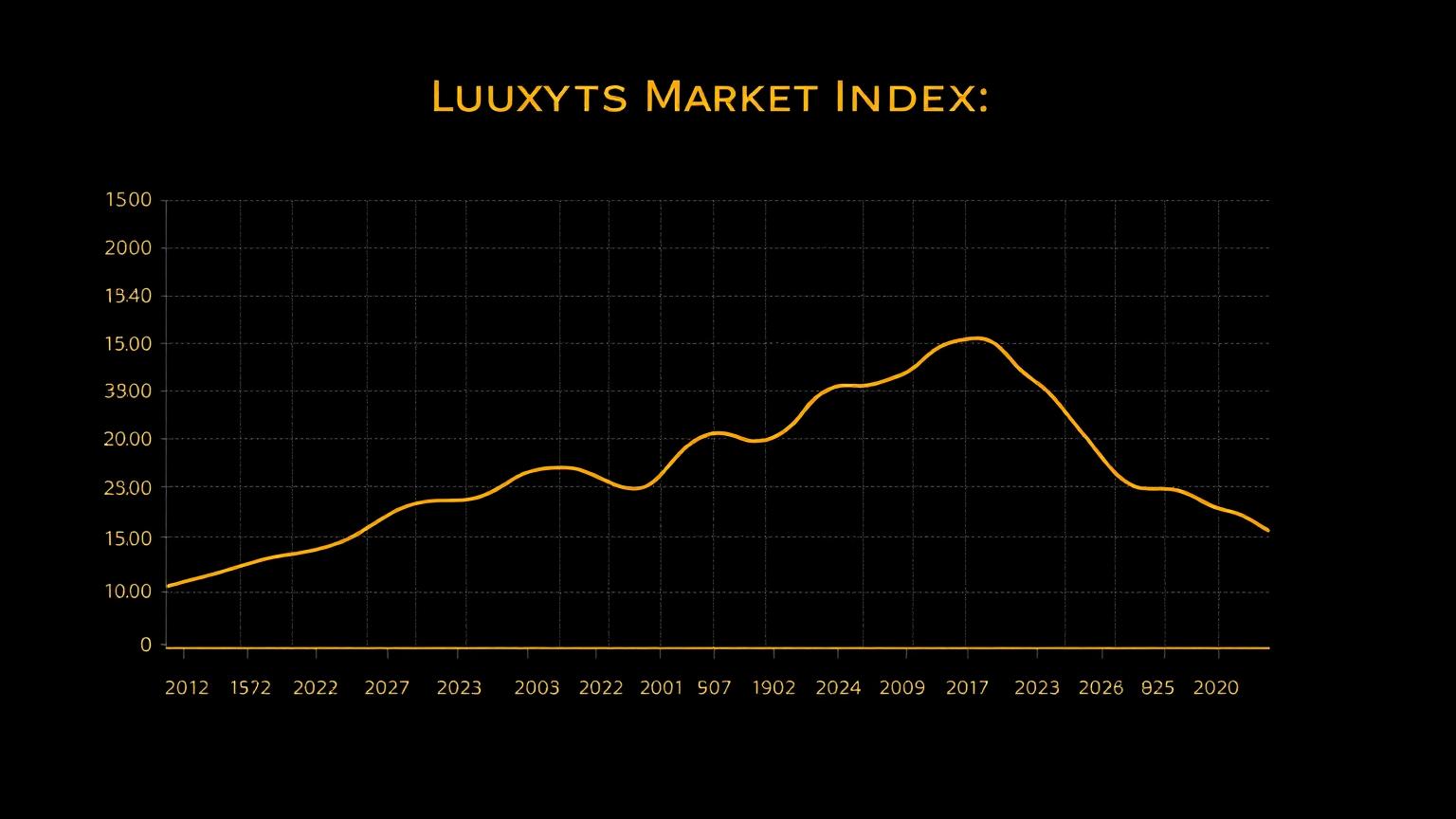
I get asked is now a good time to buy more than any other question, and the honest answer as of mid-2026 is: it depends entirely on what you're buying and why. The speculative mania is dead. What replaced it is a slower, more rational market that's actually easier to navigate, if you understand the two forces pulling in opposite directions right now. Here's my read of the board this quarter.
The big picture: from bubble to normalization
To understand today you have to understand 2022. During the 2020 to 2022 boom, watches were traded like meme stocks, crypto gains, low interest rates, and speculative flippers drove steel Rolex sports models to absurd premiums. The average Rolex secondary price peaked around $17,000 in March 2022. Then the air came out. By 2023 to 2025 the average had corrected roughly 30%, settling near the $13,000s, and the overall secondary market fell for something like thirteen straight quarters. That correction was healthy. The speculators exited, bid-ask spreads tightened, and what's left is a market dominated by actual collectors and dealers. The word for 2026 is normalization, not collapse.
The two forces at work right now
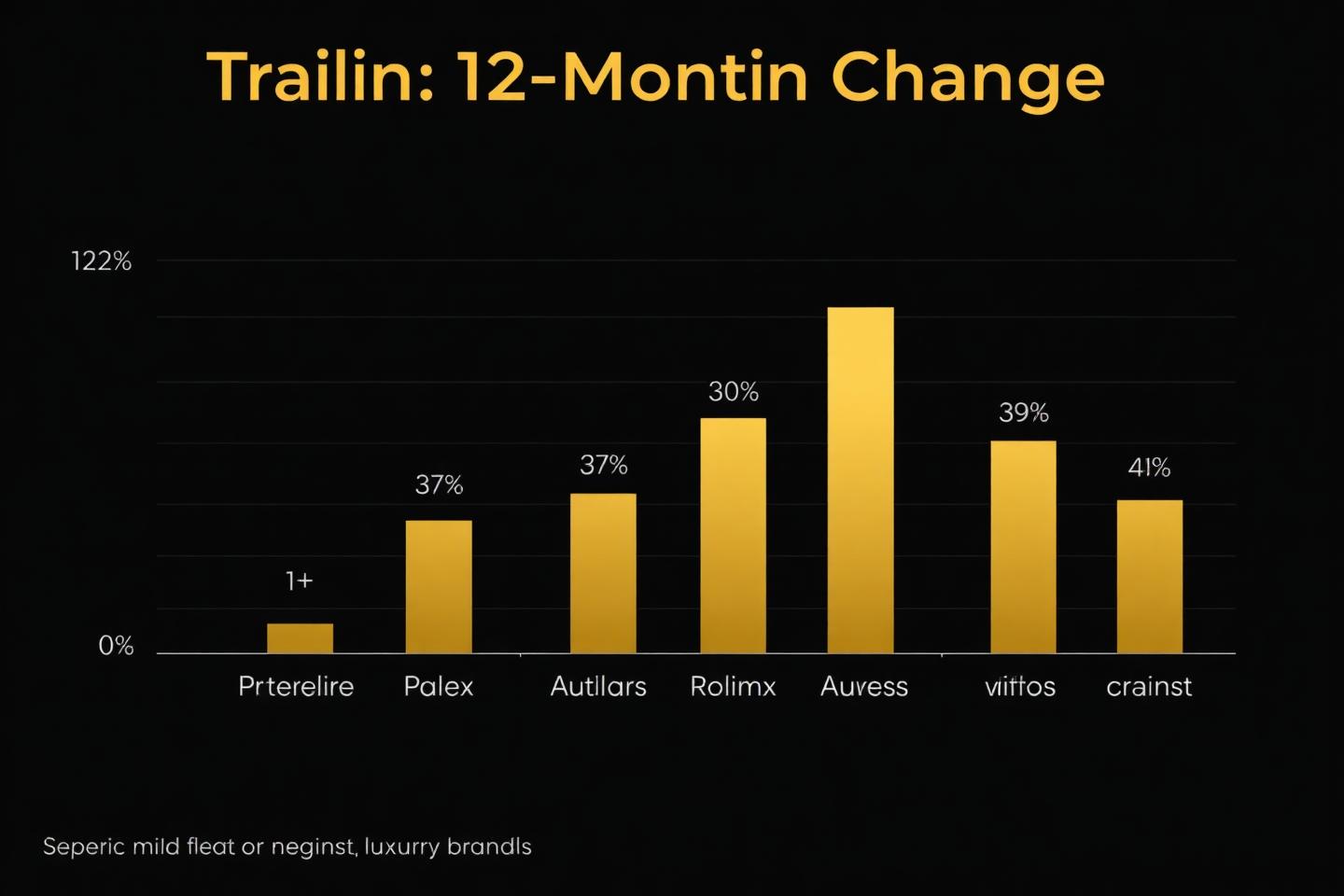
Force one: the Big Three have quietly turned positive. This surprises people. Through late 2025 and into 2026, Rolex, Patek Philippe, and Audemars Piguet all posted modest month-over-month gains. Over the trailing year, Patek led with roughly plus 16% on the strength of Nautilus and Aquanaut demand, while Rolex was up around plus 8% and AP around plus 3%. Supply of the most desirable references has actually declined, and when supply tightens against steady demand, prices firm up. Force two: retail hikes are pushing everyone to pre-owned. Rolex raises retail every January; in 2026 steel rose 3 to 7% and gold 6 to 10%. A Submariner 124060 now retails around $7,400, while a 2 to 3 year old unworn example trades below that on the secondary market. The rational buyer skips the boutique waitlist entirely.
Where the value actually is
The market has bifurcated hard. Excluding Rolex, Patek, and AP, the average watch now trades at roughly minus 31% or worse relative to retail. That's the story people miss when they read the market is recovering. It's recovering at the top and still soft everywhere else. Blue-chip, holding or rising: steel Rolex sports (Daytona, Submariner, GMT-Master II), Patek Nautilus and Aquanaut, AP Royal Oak. Mid-tier momentum: Cartier (Santos and Tank specifically, Ballon Bleu is falling), Omega, and Tudor. Tudor posts one of the highest sell-through rates of any brand, near 89%. Weakest liquidity: niche and obscure references. Thin trading means wide spreads and steep drops.
The correction's poster child
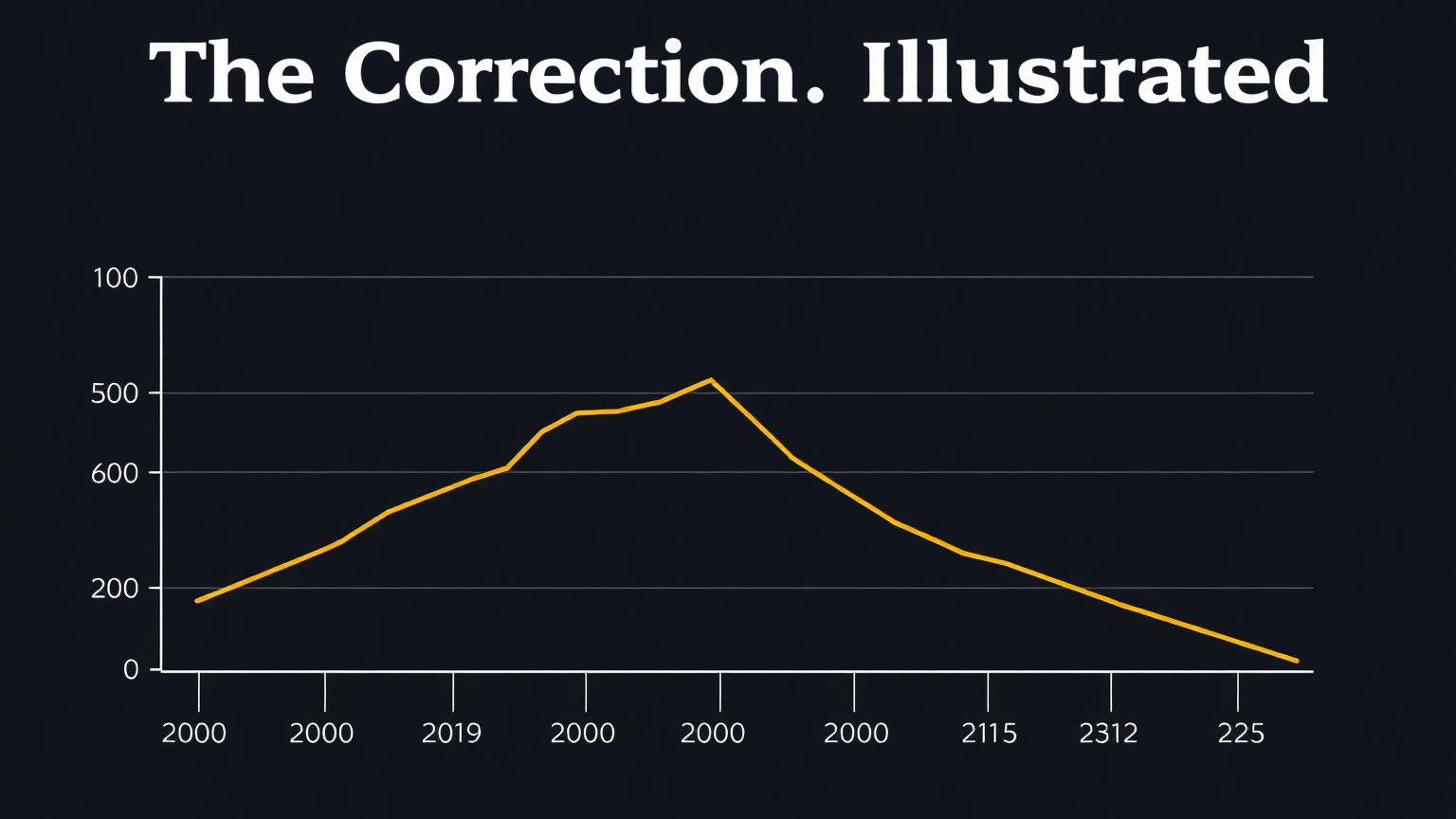
If you want a single number that captures the whole cycle: the Patek Nautilus 5711, the watch that was the speculation, peaked near $200,000 in 2022 and trades around $100,000 today. A 50% drop. If someone told you in 2021 that watches were an alternative asset class like bonds, that chart is your rebuttal. Watches are a store of wealth, not a return-generating security. The market is illiquid; you cannot sell a watch as fast as a stock when you need cash.
My honest advice for this quarter
If you're buying to wear: this is one of the more rational entry points we've seen in years. Selection is strong, sellers are disciplined, and precious-metal prices are at record highs while many gold and platinum watches haven't fully repriced to reflect that. January and February are historically the best buying window, after the holiday rush, when dealers are sitting on stock. Buy the watch you'd actually wear, get a full set (box, card, manuals, worth around 20% of value), and favor unpolished vintage or scratch-free modern. If you're selling steel sports models: read the room. The Big Three are firm, but if you're holding anything outside that tier, the market is still soft. If you're investing: don't, at least not primarily. The people who won in watches over the long run bought pieces they loved and held them. The people who lost bought spreadsheets.
The bottom line
Mid-2026 is a collector's market, not a flipper's market. The froth is gone, the Big Three are quietly strong, retail hikes have made pre-owned the smart default, and everything outside the blue chips is on sale. Buy what you love, buy the full set, and treat any appreciation as a bonus rather than a plan.